Feeling overwhelmed isn't always about having too much to do.
Sometimes it's about having too many things competing for your attention at the same time.
Feeling overwhelmed can happen even when you're capable, organized, and committed to your work.
You open your inbox and find dozens of new emails. Messages arrive while you're in meetings. Deadlines begin overlapping. One colleague needs an answer, another needs your help, and you're trying to finish work that already required your full attention. Before long, it feels as though everything is asking something from you at exactly the same time.
At first, you tell yourself you'll catch up.
Then one day, it becomes difficult to know where to begin.
It's easy to assume the problem is simply that you have too much to do.
But if you've ever found yourself staring at a growing to-do list, jumping from one task to another without making real progress, or feeling mentally exhausted before the day is even over, it's worth asking whether the real challenge is everything competing for your attention at once.
There's often more beneath the feeling.
From the outside, feeling overwhelmed can look like having too much work, too many responsibilities, or simply needing to become more organized. But many people who feel overwhelmed aren't lacking motivation or capability. They're trying to respond to multiple demands that all seem equally urgent at the same time.
Sometimes the demands are obvious. Deadlines overlap, meetings fill the day, emails continue arriving, and unexpected problems interrupt carefully made plans. Other times, the experience is less visible. You're trying to make decisions with incomplete information, keep track of several priorities at once, or hold together responsibilities that all seem important. Over time, it can begin to feel as though everything is competing for your attention, leaving very little space to think clearly.
That's why simply trying to work harder or manage your time more efficiently doesn't always change the experience.
Instead of asking,
"How do I stop feeling so overwhelmed?"
it can be more helpful to ask,
"What is asking for my attention right now, and does it all need me at the same time?"
That question changes the conversation because it shifts our focus away from judging ourselves for struggling and toward understanding where our attention is being pulled. As that relationship becomes clearer, it becomes easier to regain perspective, make more intentional choices, and respond to what matters most instead of feeling that everything must be handled at once.
A different place to begin.
At Phoenix Awakening, we don't begin by asking how to become more productive or better organized.
We begin by exploring your relationship with attention.
Because attention is one of your most valuable resources. Throughout the day, it is constantly being drawn toward emails, meetings, conversations, deadlines, decisions, notifications, and the many responsibilities that come with both work and life. The challenge isn't that these demands exist. It's that they often arrive together, each one seeming to deserve your attention immediately.
Over time, it's understandable that your attention begins to feel fragmented. Instead of moving intentionally from one responsibility to the next, you may find yourself reacting to whatever feels most urgent in the moment. The more your attention is divided, the harder it can become to think clearly, prioritize confidently, or feel that you're making meaningful progress, even when you're working incredibly hard.
Strengthening your relationship with yourself doesn't mean you'll never have busy days or competing priorities.
It changes your relationship with where your attention goes during those moments.
Instead of asking,
"How do I keep up with everything?"
you begin asking,
"What deserves my attention first, and what can wait?"
That question creates space to experience overwhelm differently. Instead of feeling pulled in every direction at once, you begin developing the ability to respond with greater clarity, intention, and perspective. The demands around you may not immediately change, but your relationship with them can.
What becomes possible.
As your relationship with your attention begins to change, so does your experience of feeling overwhelmed.
You become less focused on trying to respond to everything at once and more willing to give your full attention to what matters most in the present moment. Instead of feeling as though every request deserves the same urgency, you begin recognising that not everything requires your attention at the same time.
That doesn't mean your workload suddenly becomes lighter or that interruptions disappear. There will still be demanding days, competing priorities, unexpected problems, and moments when several important responsibilities arrive together. The difference is that those moments no longer have to scatter your attention in every direction. You begin developing the ability to pause, regain perspective, and choose where your attention will have the greatest impact.
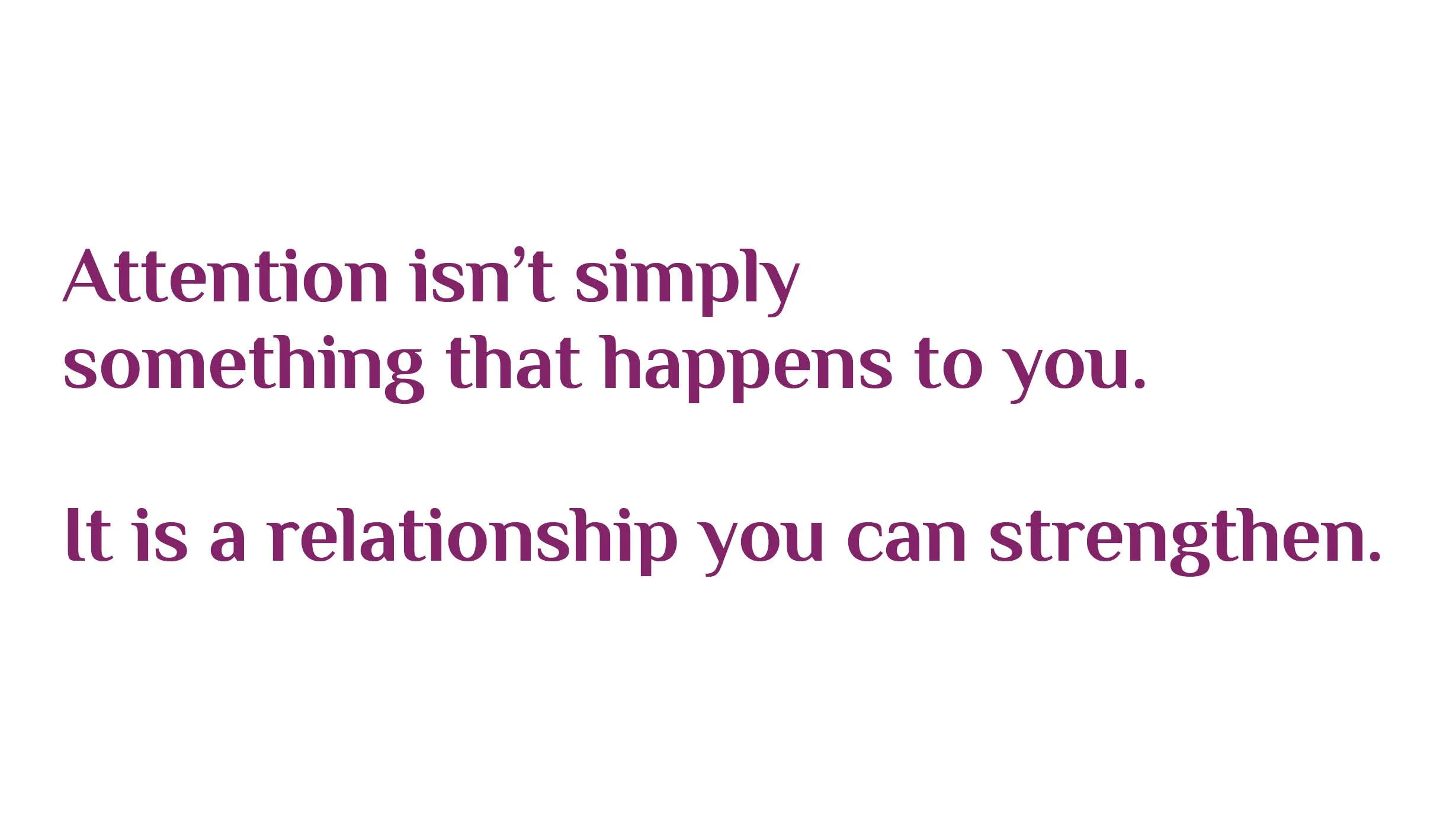
Over time, you discover that attention isn't simply something that happens to you. It is a relationship you can strengthen. As that relationship grows, clarity becomes easier to find, decisions become less overwhelming, and meaningful progress becomes more possible, even in the middle of busy seasons.
Because feeling overwhelmed isn't always a sign that you're incapable.
It's often a sign that too many things have been competing for your attention at the same time.
Ready to experience overwhelm differently?
If you've been feeling mentally overloaded, pulled in too many directions, or wondering why it has become so difficult to think clearly even though you're working hard, perhaps the answer isn't becoming more productive.
Perhaps it's strengthening the relationship with yourself that allows you to direct your attention with greater clarity and intention.
At Phoenix Awakening, we offer a space to understand what has been shaping your experience, strengthen your relationship with your attention, and develop practical ways of responding to competing demands without losing yourself in them.
You don't need to control everything that asks for your attention before you begin.
You simply need a place where you can learn to choose where your attention goes with greater awareness, purpose, and self-trust.
Ready to take the next step?
We'd be honored to walk alongside you.
Continue Exploring
Sometimes one experience connects naturally with another.